
The Longevity Blind Spots Quietly Aging High Performers: What Dr. Sandra Kaufmann Knows That Most Physicians Don’t

There is a particular kind of executive who does everything right. Sleeps seven hours. Trains five days a week. Gets annual bloodwork. Eats well enough. And still—somewhere around 43, 47, 51—notices that something has shifted. Their recovery takes longer, their focus requires more effort, and their body, which once felt like an asset, now requires more management.
The standard medical system's response to this is: your numbers look fine.
Dr. Sandra Kaufmann offers a different response: “fine” is not the same as “optimized,” and your bloodwork is only telling you part of the story.
Kaufmann is a longevity physician, cell biologist, anesthesiologist, and creator of the Kaufmann Protocol, one of the most rigorously cited frameworks in the science of biological aging. She is not a wellness influencer with a supplement line. She is a physician who spent 12 years reading primary research, building a cellular classification of why we age, and translating it into protocols that actually move the needle.
She sees patients in Miami and Las Vegas, runs a quarterly exosome infusion community called Club Exosome, and publishes her findings in e-chapters that read more like peer-reviewed thinking than lifestyle content.
In a recent conversation on the Executive Health and Life podcast, Kaufmann covered ground that most longevity conversations never reach: iron toxicity, mast cell degranulation, sirtuin failure, the limits of epigenetic testing, and why exosomes may be the most underutilized tool in a high-performer’s biological arsenal.
What follows is a distillation of that conversation, with the frameworks, mechanisms, and practical implications for executives who understand that biological performance is not a personal indulgence but also an organizational asset.
Prefer to watch or listen? The full episode is below. Otherwise, keep reading for the complete written framework.
Why “Normal” Labs Are a Low Bar
The first thing Kaufmann establishes with any new patient is a distinction most physicians never make: the difference between the absence of disease and the presence of optimization.
Standard bloodwork is designed to catch pathology. It tells you whether your kidneys are failing, your liver is stressed, your glucose is dangerously elevated. What it does not tell you is whether your cells are performing at the level your career demands. Those are categorically different questions, and conflating them is one of the most expensive mistakes a high-performing executive can make.
Kaufmann’s framework for understanding aging operates at the cellular level. Her position, developed over more than a decade of bench research synthesis, is that aging is not a system-level phenomenon; it is a cellular one. Everything we are is a product of cells. When cells fail, systems fail. When systems fail, we call it aging.
She organizes cellular failure into seven categories: DNA alterations, mitochondrial dysfunction, pathway dysregulation (sirtuins, mTOR, AMP kinase, circadian rhythms), quality control failures, immune system breakdown, individual cell requirements, and waste management. Most standard panels address none of these directly. They are downstream measurements of upstream cellular processes that have already been deteriorating for years.
For executives, this matters because cognitive symptoms precede clinical ones. The sharpness that starts to feel like it requires more effort. The decision fatigue that arrives earlier in the day. The recovery from stress that used to happen overnight and now takes a weekend. These are cellular signals, and standard labs will not catch them.
Iron Toxicity: The Silent Accumulator in Every Aging Body
Of all the topics Kaufmann covered, iron toxicity may be the most consequential and least discussed in executive health circles.
Here is the mechanism: Iron is present in virtually everything you eat. When it enters the gut, intestinal cells make a binary decision: absorb it or excrete it. Once absorbed, it becomes permanently absorbed into the body. For men, there is no natural elimination pathway. For women, menstruation serves as a release valve until menopause, after which the same accumulation dynamics apply.
The body manages excess iron by hiding it, through depositing it in brain tissue, cardiac muscle, bone, and other organs. Under evolutionary pressure, hiding iron was protective. Yersinia pestis, the bacterium responsible for the bubonic plague, requires iron-rich environments to survive. Populations that sequestered iron during inflammatory responses were more likely to survive infection. That genetic tendency persists today.
The problem is that stored iron is not inert. Iron is the most potent electron donor to oxygen in the body. Accumulated iron continuously generates free radicals, thus driving oxidative stress, systemic inflammation, and tissue degradation at a rate that compounds over decades. MRI imaging can reveal iron deposits in brain regions and cardiac muscle that standard blood panels miss, because blood iron levels reflect circulating, not stored, iron.
“What we do as physicians is we only measure the iron that’s in your blood,” Kaufmann explains. “And that does not reflect full body iron.”
The practical implication: men with “normal” iron panels may still be accumulating iron at levels that are quietly accelerating biological aging. This is especially relevant for executives on testosterone optimization protocols, since testosterone stimulates erythropoiesis: the production of red blood cells, which can elevate hematocrit to levels that increase stroke risk. Kaufmann had a patient whose hematocrit was dangerously elevated from testosterone therapy. He needed to donate blood immediately.
Blood donation, it turns out, is one of the most effective strategies for managing iron. Kaufmann also recommends low-dose aspirin for patients without contraindications. Not primarily for cardiovascular reasons, but because aspirin metabolites are effective iron chelators. Quercetin, wheatgrass (which contains ellagic acid), and astaxanthin also support iron mobilization, though aspirin remains the most clinically potent natural option.
If you are a man over 40 on testosterone therapy, ask your physician to track ferritin and hematocrit alongside standard hormone panels. Consider regular blood donation as part of your protocol.
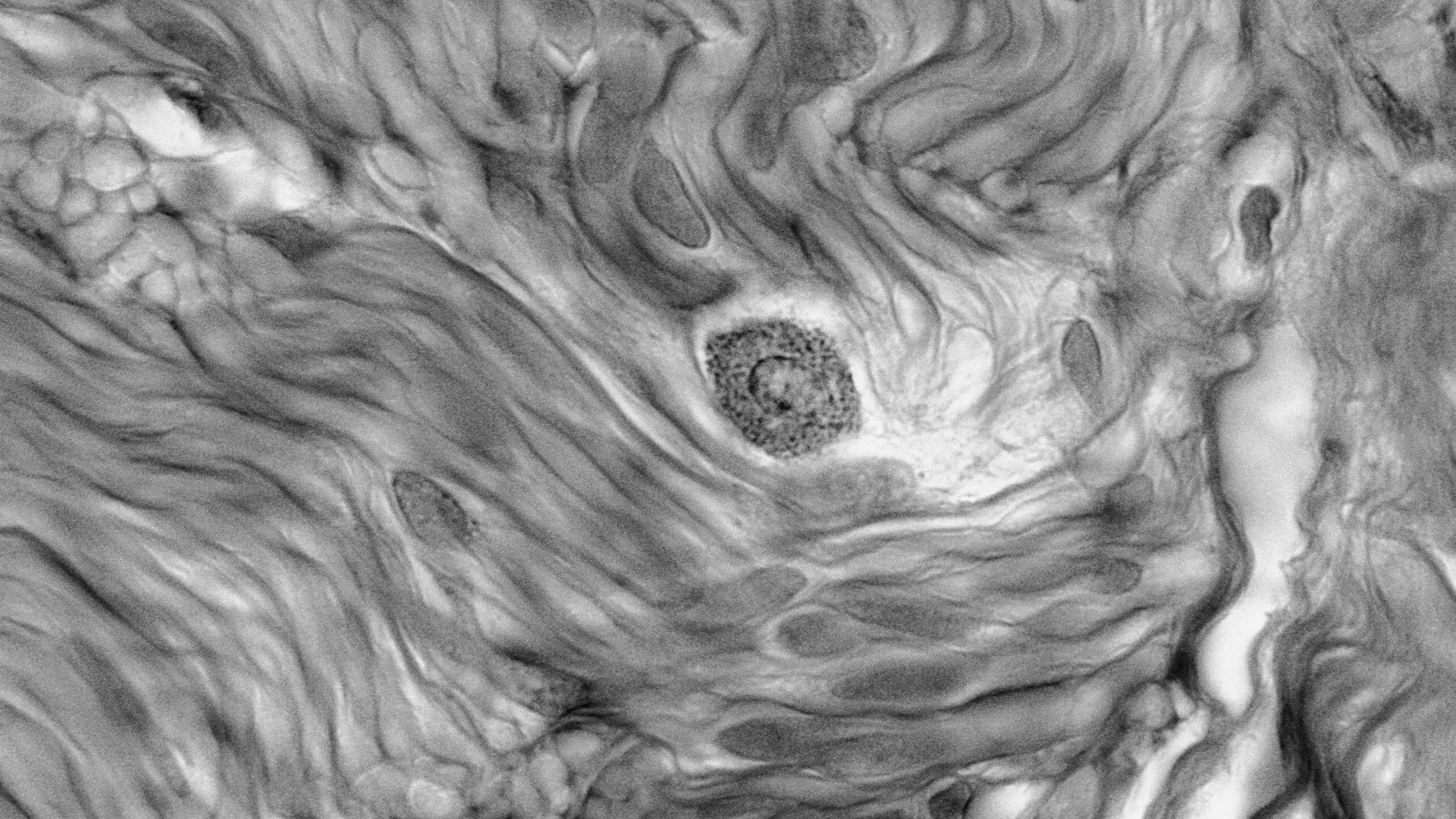
Mast Cells: How Your Immune System Dissolves You From the Inside
Mast cells are immune cells packed with granules containing roughly 200 bioactive molecules. They are best known for their role in allergic reactions: triggering an IgE receptor, releasing histamine, and producing the familiar symptoms of an allergic response.
As we age, mast cell concentration increases by 40-60% in skin tissue alone. When mast cells degranulate, they release not just histamine but proteases: enzymes that dissolve proteins, specifically collagens. Chymases and tryptases break down the structural proteins that hold tissue together. In coronary plaques, mast cell activation can trigger a heart attack. In the walls of the abdominal aorta, mast cell degranulation dissolves collagen and contributes to aneurysm rupture.
This goes beyond allergies. This is an aging problem that affects every person in every body, regardless of whether they have ever had an allergic reaction in their life.
What triggers mast cell degranulation beyond IgE-mediated responses? Oxidized LDL, temperature changes, and certain medications. And critically for executives, stress. Mast cells carry corticotropin-releasing hormone receptors. When cortisol signaling is elevated, mast cells activate. Chronic stress, the baseline operating condition of most senior leaders, is a direct mast cell trigger.
“You can be allergic to stress,” Kaufmann says. “There are corticotropin-releasing hormone receptors on mast cells. So if you are under stress, you actually activate the mast cell.”
Kaufmann’s approach to mast cell stabilization includes PEA (palmitoylethanolamide), a naturally occurring compound the body produces under duress that blocks degranulation across multiple receptor pathways. Butyric acid, available through aloe vera or direct supplementation, is another stabilizer she recommends. For patients requiring pharmaceutical intervention, ketotifen, taken at low prophylactic doses, functions as both a mast cell stabilizer and an H1 blocker.
PEA must be micronized for adequate bioavailability. Standard formulations have poor absorption. Verify the form before purchasing.
Sirtuins: The Cellular Conductors Most Executives Have Never Heard Of
Sirtuins are a family of seven proteins that function as master regulators of cellular homeostasis. They control gene expression, circadian rhythm, fat distribution, mitochondrial function, DNA repair, and free radical scavenging. In practical terms, they are the conductors of cellular performance.
Sirtuin 1 is the most important, as it activates many of the others and governs the widest range of cellular functions. Sirtuin 3 regulates mitochondrial function and fuel selection and begins to decline as early as age 35. When sirtuin 3 activity drops, mitochondria shift away from fatty acid oxidation toward glucose dependence, which is one of the mechanisms behind the unexplained belly fat accumulation that executives in their late 30s and 40s often notice despite unchanged diet and exercise habits. Sirtuins 6 and 7 govern chromatin stability and longevity gene expression.
All sirtuin activity is NAD-dependent. Without adequate NAD, sirtuin activation is impossible, regardless of the supplements in the protocol. Most people are NAD-deficient by age 40. This is why NAD precursors—NMN or NR—are a prerequisite for effective sirtuin support, not a standalone intervention.
Kaufmann’s sirtuin activation hierarchy: pterostilbene or resveratrol for sirtuin 1, dihydromyricetin or magnolia for sirtuin 3, fucoxanthin for sirtuin 6.
One of the most important gaps she identifies is measurement. We cannot currently test sirtuin levels in clinical practice. We can measure them in animal models, but there is no accessible human testing. This means that sirtuin optimization is currently guided by symptom response and statistical probability rather than direct biomarker feedback. A 45-year-old executive is almost certainly experiencing sirtuin decline. The intervention is warranted. The confirmation is not yet available.
“I spend a lot of time trying to optimize people’s sirtuins,” Kaufmann says. “I have no idea if I’m being effective or not. None. Zero. I can’t measure it at the beginning. I can’t measure it at the end.”
This is not a reason to avoid intervention. It is a reason to work with a physician who understands the landscape well enough to guide the protocol without the training wheels of direct measurement.
Exosomes: The Most Powerful Longevity Tool You Have Probably Not Considered
Every cell in the body communicates with every other cell. Some of that communication happens through single molecules—hormones, neurotransmitters, signaling peptides. But when a cell needs to transmit complex, multi-variable information, it packages that information into a vesicle and releases it. That vesicle is an exosome.
Exosomes are not cells. They are cellular secretions: the information layer of cellular communication. They carry microRNA, proteins, lipids, and signaling molecules that instruct recipient cells on gene expression, repair activity, and metabolic function. Because they lack the surface markers of full cells, they do not trigger immune responses. They are incorporated directly into recipient tissue.
The clinical application Kaufmann has built her Club Exosome community around is intravenous exosome infusion derived from placental, amniotic, or cord tissue—sources that carry the regenerative signaling of fetal development. The intended recipient of these signals is a developing fetus. When introduced into an aging adult, those signals communicate regeneration, repair, and youth.
Kaufmann distinguishes exosomes sharply from stem cell therapy. Stem cells are foreign cells with foreign DNA and surface markers that eventually trigger immune recognition and rejection. Exosomes carry none of that liability. They are, as she puts it, “significantly safer and significantly cheaper”—and in sufficient quantity, they replicate the regenerative effect of stem cell infusion without the immunological risk.
She recommends exosome infusions monthly to quarterly for adults over 40, depending on health status and comorbidities. She positions them within a longevity pyramid: foundational daily protocols (diet, supplements, pharmaceuticals, sleep) come first. Exosomes amplify everything built below them.
“I give a lot of exosomes and people will be on this huge protocol, and they’re doing that. And then my God, they get exosomes and the world opens.”
For executives who invest significantly in their biological performance, exosomes represent a high-leverage intervention with a strong clinical rationale and a track record Kaufmann has been building through Club Exosome for several years. The sourcing question matters—not all exosome products are equivalent, and the field is not yet well-regulated. Work with a physician who can directly vet sourcing quality.

Biological Age Testing: What to Trust, What to Ignore
The biological age testing market has expanded rapidly, and with it the confusion about what these tests actually measure and what decisions they can support.
Kaufmann’s position is pragmatic. Epigenetic clocks, tests that analyze DNA methylation patterns to estimate biological age, are scientifically interesting but clinically limited. They confirm what most committed practitioners already know: that consistent longevity practice reduces biological age relative to chronological age.
What they do not do well is inform specific protocol decisions. If your methylation clock says you are 38 and you are 47, the appropriate response is to continue what you are doing. If it says you are 52 and you are 47, the appropriate response is to work with a physician to identify the failing systems. In neither case does the test tell you what to change.
“If you’re one of those people that only wants to collect data if you’re going to make a decision based on it, then it’s pointless,” Kaufmann says.
The test she finds genuinely valuable is the liquid biopsy for cancer—specifically the Grail Galleri test, which screens for circulating tumor DNA across multiple cancer types. Standard imaging catches cancer when it is visible. Liquid biopsies catch cellular-level changes before any mass is detectable.
The technology is still maturing, and false positives remain a challenge, but the directional value is significant. Within five to ten years, Kaufmann believes liquid biopsies will replace colonoscopies, mammograms, and most conventional cancer screening.
She also recommends a full-body MRI alongside a liquid biopsy, as these two tools are complementary. Liquid biopsies detect cellular signals. MRI detects physical findings. Together, they cover ground neither could cover alone.
Specifically for glycation, HbA1c remains the most accessible and clinically actionable marker. It reflects average glucose exposure over 90 days, making it a reliable signal of glycation burden at the tissue level. Skin autofluorescence scanning—a technology from Amsterdam that measures advanced glycation end products deposited in skin tissue—provides an additional layer of assessment for executives who want to quantify their waste management tenet directly.
When ordering labs, add oxidized LDL to your lipid panel. It requires checking a separate box on most requisition forms, and most physicians do not order it by default. Kaufmann considers it more clinically relevant than total LDL as a cardiovascular risk indicator.
The Pharmaceutical Layer: What Longevity Medicine Looks Like Beyond Supplements
Kaufmann currently takes 13 pharmaceuticals as part of her longevity protocol, all at subtherapeutic, prophylactic doses, and all selected based on mechanisms targeting specific cellular aging pathways rather than the diseases for which they were originally approved.
This is the frontier of longevity medicine, and it requires a physician who understands both the mechanisms and the monitoring requirements. It is not a DIY protocol.
A few of the more interesting examples from her current stack:
Selbex is a Japanese pharmaceutical approved for the treatment of gastritis. Its mechanism, upregulation of heat shock proteins, has significant downstream implications for neurological aging. Heat shock proteins prevent protein misfolding, and most neurodegenerative diseases are characterized by it. Kaufmann takes it as much to protect her gut from 70+ supplements as to reduce her relative risk of neurological disease.
The flozins (empagliflozin and dapagliflozin) are SGLT2 inhibitors originally developed for the treatment of type 2 diabetes. Their longevity application is dual: they promote glucose excretion through the kidneys, reducing the glycation burden, and they function as senolytic agents, clearing damaged, dysfunctional cells that accumulate with age and drive systemic inflammation.
Epalrestat is an aldose reductase inhibitor. When glucose enters cells, an enzyme called aldose reductase converts it to sorbitol, which then converts to fructose. Fructose is seven to ten times more potent as a glycosylator than glucose. Blocking that conversion pathway at the source prevents a cascade of glycation damage that standard glucose management misses entirely.
Hydralazine, an emergency antihypertensive, contains a hydrazine moiety, a potent transglycosylating agent. It binds to glucose in the early, reversible stages of AGE formation and escorts it out of the body before the damage becomes permanent.
Lithium, at low doses well below psychiatric dosing, supports telomere stability, mitochondrial function, and mood regulation. The longevity rationale is well-supported in the literature, and the therapeutic window at low doses is wide.
The common thread across all of these is mechanism-based selection at prophylactic dosing. This is categorically different from treating a diagnosed condition. It requires baseline labs, ongoing monitoring, and a physician who can calibrate dose to individual physiology rather than disease-state protocols.
Sleep Is a Biochemistry Problem, Not a Mindset Problem
One of the most practically useful moments in Kaufmann’s conversation was her dismantling of the sleep optimization industry’s foundational premise.
Sleep advice, in its dominant form, is behavioral. Reduce screen time—lower room temperature. Practice gratitude. Optimize your sleep environment. These interventions are not without value, but they address the surface layer of a problem that is primarily biochemical.
Sleep onset and maintenance are regulated by two proteins that cycle every 12 hours. Circadian rhythms are regulated by ROR alpha and REV-ERB alpha, with NAD levels and sirtuin 7 activity as upstream modulators. When sirtuin levels decline with age, circadian rhythm regulation deteriorates. When NAD is insufficient, the entire system loses precision.
The result is a sleep-disruption pattern that becomes epidemic among executives over 45: difficulty falling asleep, early waking, reduced deep sleep, and the subjective sense that sleep no longer restores.
“A whole lot of positive thinking and where your Oura ring ranks isn’t going to help you sleep unless you actually address the biochemical reasons why you are not sleeping with age,” Kaufmann says.
This does not mean sleep hygiene is irrelevant. It means it is insufficient as a primary intervention when the underlying biochemistry has already degraded. For executives whose sleep quality has declined despite behavioral optimization, the next step is a conversation about NAD repletion, sirtuin support, and potentially circadian rhythm-specific interventions—not a new mattress.

The Longevity Pyramid: A Framework for Prioritization
One of the most useful structural contributions Kaufmann offers is the longevity pyramid—a prioritization framework that answers the question every executive eventually asks: where do I start?
The base of the pyramid is daily practice. Diet, exercise, foundational supplementation, sleep, and any ongoing medications. This layer must be stable before anything above it has full effect. Exosomes, peptides, and advanced pharmaceutical interventions built on an unstable foundation yield diminishing returns.
The middle layers are periodic interventions—monthly exosome infusions, quarterly assessments, seasonal protocol adjustments based on lab feedback and symptom response.
The apex is acute and targeted intervention: peptides for specific applications, high-dose senolytics on a cycling schedule, advanced testing when clinical indicators warrant it.
What the pyramid makes explicit is that the most sophisticated interventions at the top cannot compensate for foundational failures at the base. The executive who invests in monthly exosome infusions but sleeps five hours and manages stress with caffeine is optimizing the wrong layer.
Kaufmann is direct about this: the base has to be strong. Everything else amplifies what is already there.
The pyramid also makes room for individual variation. Not every executive needs the same base. What someone in their late 30s with no family history of metabolic disease needs looks different from what someone in their early 50s post-menopause needs. The framework is universal while the protocol is personal.
The Real Performance Variable Most Executives Are Ignoring
The executives who seek out physicians like Sandra Kaufmann are not hypochondriacs. They are operators who have recognized something that the standard medical system is not designed to address: that biological performance is a strategic variable, and that leaving it to chance or to annual physicals is the same as leaving any other critical business system unmanaged.
Your cardiovascular fitness, your cognitive resilience, your hormonal balance, your cellular repair capacity—these are not personal matters that exist outside the enterprise. They are the substrate on which every strategic decision, every high-stakes conversation, every creative insight, and every sustained leadership performance depends.
The question Kaufmann’s work forces is a specific one: are you managing your biology with the same rigor you apply to your business? If the answer is no, the gap is not a personal failing. It is an information problem. And information problems have solutions.
The science is further along than most executive health conversations acknowledge. The tools exist. The protocols are buildable. What is required is the willingness to approach your own biology as seriously as you approach the systems you are paid to lead.
Frequently Asked Questions
What is the Kaufmann Protocol?
The Kaufmann Protocol is a cellular aging framework developed by Dr. Sandra Kaufmann that organizes the biological mechanisms of aging into seven categories: DNA alterations, mitochondrial dysfunction, pathway dysregulation, quality control failures, immune system breakdown, individual cell requirements, and waste management. It serves as the foundation for personalized longevity protocols that address the specific cellular systems most relevant to an individual’s age, health history, and goals.
What are exosomes and how are they used in longevity medicine?
Exosomes are vesicles released by cells to communicate complex biological information to other cells. In longevity medicine, exosomes derived from placental, amniotic, or cord tissue are administered intravenously to deliver regenerative cellular signals. Unlike stem cell therapy, exosomes do not carry foreign DNA or surface markers that trigger immune responses, making them significantly safer. They are used to amplify the effects of an existing longevity protocol and support cellular repair across multiple systems simultaneously.
Why is iron accumulation a longevity concern for executives?
Iron accumulates in body tissue over time and cannot be excreted naturally in men or post-menopausal women. Stored iron continuously generates free radicals, driving oxidative stress and systemic inflammation. Standard blood panels measure circulating iron, not tissue iron, so accumulation can reach significant levels before appearing in routine labs. Blood donation, low-dose aspirin, and select chelating compounds are among the most effective management strategies.
What are sirtuins and why do they matter for cognitive performance?
Sirtuins are a family of seven proteins that regulate gene expression, mitochondrial function, circadian rhythms, fat metabolism, and DNA repair. Sirtuin activity declines with age—sirtuin 3 can begin declining as early as 35—and reduced sirtuin function is associated with decreased energy, disrupted sleep, altered fat distribution, and reduced cognitive resilience. Sirtuin activation requires adequate NAD levels and specific botanical and pharmaceutical activators, depending on the targeted sirtuin.
How should executives think about biological age testing?
Biological age tests, such as epigenetic clocks, provide interesting data but limited clinical decision-making value on their own. The more actionable testing category is liquid biopsy for cancer detection, which screens for circulating tumor DNA before physical findings are detectable. Full body MRI provides complementary structural data. For metabolic health, HbA1c and oxidized LDL are among the most clinically useful markers that standard panels often omit.
What is the difference between mast cell stabilization and antihistamine use?
Antihistamines block histamine after mast cells have already degranulated. Mast cell stabilizers prevent degranulation from occurring, blocking the release of all 200-plus bioactive molecules mast cells contain—not just histamine. This distinction matters because mast cell degranulation releases proteases that dissolve collagen, activate inflammatory cascades, and contribute to cardiovascular pathology far beyond what antihistamines address.
At what age should executives begin a serious longevity protocol?
The cellular processes that drive aging begin to decline in the mid-30s—sirtuin 3 function, NAD levels, and mitochondrial efficiency all show measurable declines before 40. A foundational protocol including NAD precursors, sirtuin activators, anti-inflammatory compounds, and regular metabolic monitoring is appropriate for most executives in their late 30s. More advanced interventions, including exosomes and pharmaceutical longevity agents, become increasingly warranted as people age through the 40s and beyond.
If you are ready to approach your biological performance with the same strategic rigor you apply to your business, I work with a select group of founders, executives, and operators to build protocols that match the demands of what you are building.
[Book a private conversation here.]
Connect With Dr. Sandra Kaufmann
Website: https://kaufmannlongevity.com
Instagram: https://www.instagram.com/kaufmannlongevity
Book1: The Kaufmann Protocol: Why We Age and How to Stop It — https://www.amazon.com/Kaufmann-Protocol-Why-Age-Stop/dp/0692089047/
Book 2: The Kaufmann Protocol: Aging Solutions — https://www.amazon.com/dp/B0B5MVFBVQ
Book: Kaufmann Longevity Treatise Series, Volume 1: Mastering the Mast Cell — https://www.amazon.com/Kaufmann-Longevity-Treatise-Mastering-Mast-ebook/dp/B0GSX7BXL1
